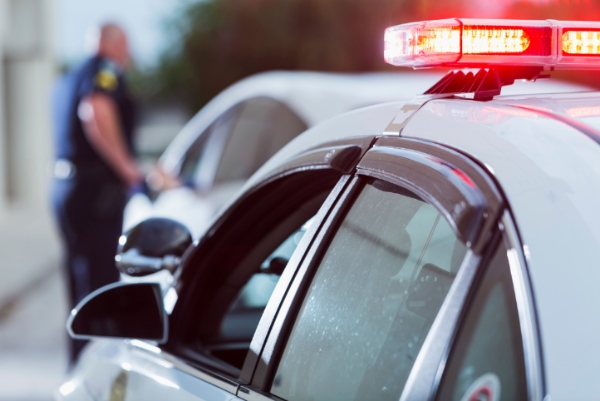
Virginia’s roads come with strict DUI laws, and knowing your rights during a traffic stop is critical, especially when asked to perform a field sobriety test. Can you refuse a field sobriety test in Virginia? Yes, these tests are voluntary under state law, but the decision to refuse carries potential implications. This guide explores your rights, the consequences of refusal, how field sobriety tests differ from chemical tests, and what to do if you’re facing DUI charges in Virginia.
Understanding Field Sobriety Tests in Virginia
Field sobriety tests (FSTs) are roadside exercises used by Virginia law enforcement to assess whether a driver is impaired by alcohol or drugs. These tests, developed by the National Highway Traffic Safety Administration (NHTSA), evaluate balance, coordination, and cognitive ability. Common FSTs in Virginia include:
- Horizontal Gaze Nystagmus (HGN): The officer observes your eye movements as you follow an object, looking for involuntary jerking that may indicate impairment.
- Walk-and-Turn: You walk nine steps heel-to-toe in a straight line, turn on one foot, and walk back, testing divided attention and coordination.
- One-Leg Stand: You stand on one foot for about 30 seconds while counting aloud, assessing balance and focus.
Officers may also use non-standardized tests, like reciting the alphabet or counting backward, but these lack NHTSA validation and are even more subjective.
FSTs are controversial due to their subjectivity. Factors like medical conditions (e.g., inner ear issues, neurological disorders), age, weight, footwear, or road conditions can lead to poor performance, even if you’re sober. In Virginia, these tests are used to establish probable cause for a DUI arrest under Code of Virginia § 18.2-266.
Can You Refuse a Field Sobriety Test in Virginia?
Yes, you can refuse a field sobriety test in Virginia. Unlike chemical tests (breath or blood tests) after a DUI arrest, FSTs are voluntary, and there is no legal penalty for declining them. Virginia law does not require drivers to perform FSTs, and your refusal cannot be used to suspend your license or as direct evidence of guilt in a DUI trial.
However, refusal may have indirect consequences:
- Increased Suspicion: Officers may interpret refusal as a sign of impairment, potentially leading to arrest based on other observations (e.g., slurred speech, odor of alcohol).
- Court Consideration: While refusal isn’t an admission of guilt, the Virginia Supreme Court (Jones v. Commonwealth, 688 S.E.2d 269, 2010) ruled that it can be considered circumstantial evidence for probable cause to arrest, though not proof of guilt.
- Probable Cause for Arrest: Officers can still arrest you for DUI based on driving behavior, physical signs, or other evidence, even without FST results.
Politely declining FSTs—e.g., saying, “I’d prefer not to perform those tests, officer”—asserts your rights without escalating the situation.
Field Sobriety Tests vs. Chemical Tests
It’s critical to distinguish FSTs from chemical tests in Virginia:
- Field Sobriety Tests: Voluntary, pre-arrest tests to assess impairment. No direct penalties for refusal, but they contribute to probable cause for arrest.
- Preliminary Breath Test (PBT): A roadside breath test, also voluntary before arrest. Refusal cannot be used as evidence of guilt but may support probable cause for arrest. Results are not admissible in court for determining guilt, only for probable cause.
- Post-Arrest Chemical Tests (Breath or Blood): Mandatory under Virginia’s implied consent law (Code of Virginia § 18.2-268.2). By driving on Virginia roads, you consent to these tests if arrested for DUI. Refusal is a separate offense under § 18.2-268.3, with penalties:
- First Refusal: A civil offense, 1-year license suspension, no restricted license.
- Second or Subsequent Refusal: A Class 1 misdemeanor, 3-year license suspension, possible jail time.
Refusing a post-arrest chemical test can also be used as evidence in a DUI trial, unlike FST refusal.
Why You Might Refuse a Field Sobriety Test
Refusing FSTs may be strategic because:
- Subjectivity: FSTs are not foolproof. Sober individuals can fail due to stress, medical conditions, or environmental factors like uneven roads.
- Evidence Against You: Poor performance provides prosecutors with evidence to support a DUI charge, even if results are unreliable.
- No Benefit to Passing: Even if you pass, officers may arrest you based on other observations, as FSTs are designed to confirm impairment, not sobriety.
- Constitutional Rights: Refusing FSTs aligns with your Fifth Amendment right against self-incrimination, as they are non-testimonial evidence.
However, consult an attorney to weigh the risks, as refusal may prompt officers to seek other evidence, like requesting a PBT or observing behavior more closely.
Consequences of Refusing vs. Taking FSTs
| Action | Pros | Cons |
| Refuse FSTs | Limits evidence against you; no legal penalty for refusal; protects against subjective results. | May increase officer suspicion; could contribute to probable cause for arrest; refusal may be mentioned in court as circumstantial evidence. |
| Take FSTs | May demonstrate cooperation; passing could reduce suspicion (rarely). | Poor performance strengthens DUI case; subjective results can be misinterpreted; no guarantee of avoiding arrest. |
What to Do During a DUI Stop in Virginia
If pulled over for suspected DUI in Virginia:
- Stay Calm and Polite: Cooperate with basic requests (e.g., providing ID) but avoid volunteering information.
- Politely Refuse FSTs and PBT: Say, “I respectfully decline to perform those tests.” This asserts your rights without confrontation.
- Remain Silent: Invoke your right to remain silent to avoid self-incrimination, except for providing required identification (Code of Virginia § 46.2-104).
- Contact an Attorney: If arrested, request a lawyer immediately to guide you through chemical tests and build a defense.
- Document the Stop: Note details like the officer’s behavior, road conditions, and your physical state (e.g., fatigue, medical issues) for your defense.
Defending Against DUI Charges After Refusal
If arrested for DUI after refusing FSTs, an attorney can:
- Challenge Probable Cause: Argue the officer lacked sufficient evidence for arrest without FST results.
- Highlight FST Unreliability: If you took FSTs, show how medical conditions, stress, or improper administration skewed results.
- Suppress Evidence: File motions to exclude improperly obtained evidence, like coerced statements.
- Negotiate Pleas: Seek reduced charges or penalties, especially for first-time offenders in jurisdictions like Fairfax or Richmond.
Virginia courts, such as those in Loudoun or Prince William County, vary in how they weigh FST refusal, making local legal expertise crucial.
Contact a Criminal Defense Lawyer Today
Facing DUI charges or unsure about your rights during a Virginia traffic stop? The Law Offices of Krum, Gergely, & Oates provide expert legal guidance in Virginia and Maryland. Fill out our online form or call us at (703) 988-3711 or (301) 840-0080 today for trusted assistance!